DecodePCS 2025 – Datathon zu KI, Omics & Post-COVID
Drei intensive Tage, voller Ideen, Insights und echter Interdisziplinarität:
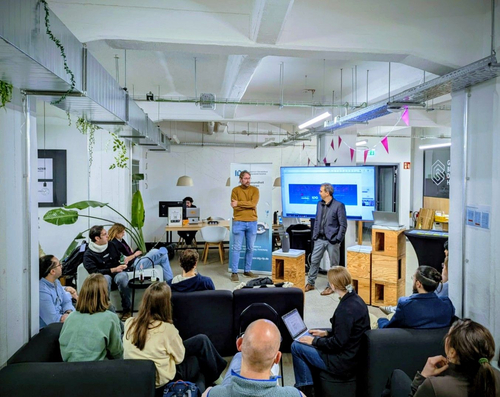
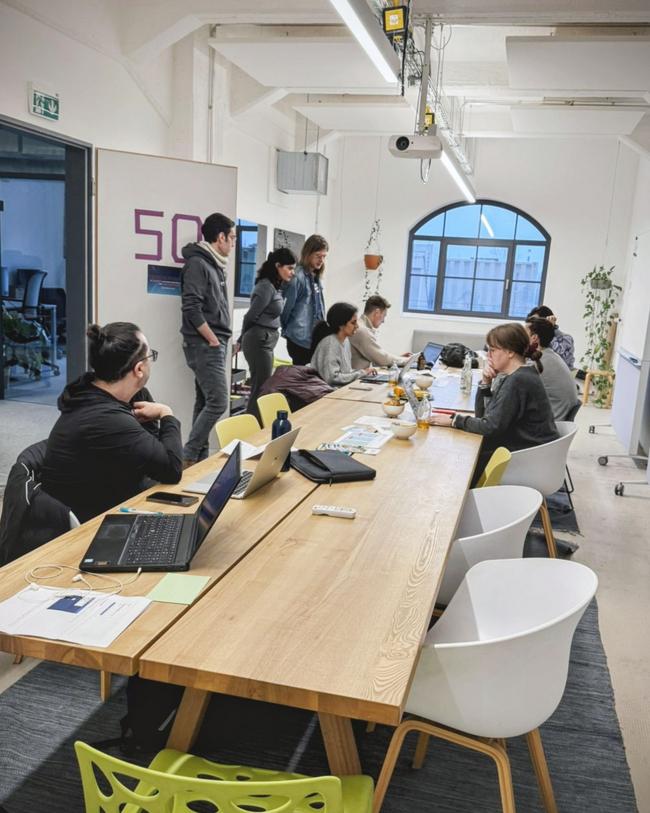
Vom 04.–06. Dezember 2025 lief unser Datathon „DecodePCS 2025“ im Gutenberg Digital Hub gemeinsam mit dem EPIC-AI-Konsortium der Universitätsmedizin Mainz. Ziel war es, interdisziplinäre Teams aus Forschung, Medizin und Data Science zusammenzubringen, um mit Künstlicher Intelligenz, Multi-Omics-Daten und klinischen Analysen innovative Lösungen für das Post-COVID-Syndrom (PCS) zu entwickeln. Wir blicken noch immer beeindruckt auf die Energie, Kreativität und Tiefe der Diskussionen zurück!
Worum ging es genau?
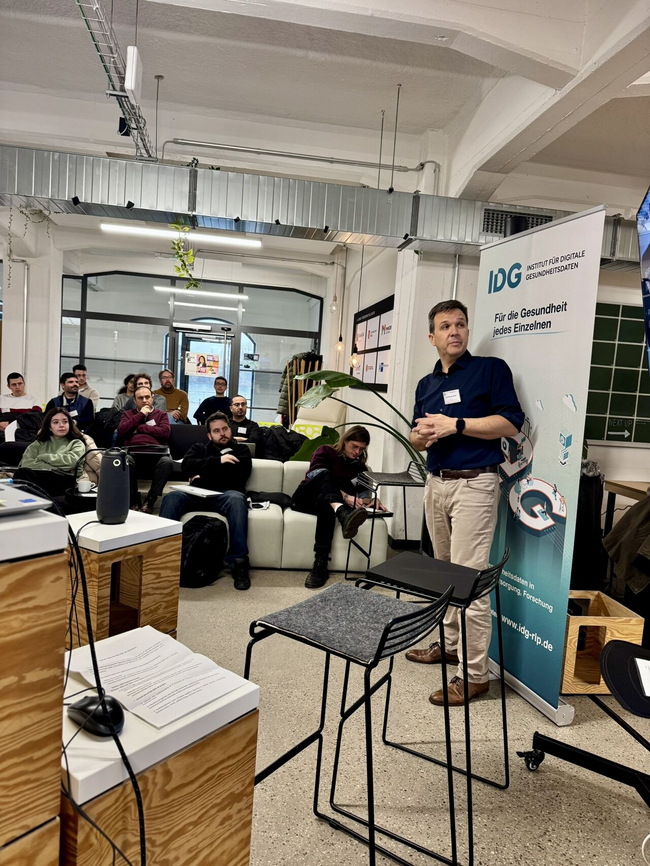
Veranstaltet wurde der Datathon im Rahmen des Projektes EPIC-AI (Leitung: Univ.-Prof. Dr. med. Philipp Wild, Universitätsmedizin Mainz). Der Verbund EPIC-AI verfolgt das Ziel, Patientinnen und Patienten mit Post-COVID-Syndrom anhand subklinischer, klinischer und molekularer Daten sowie mit Hilfe innovativer Datenanalyse-Verfahren in Gruppen zu klassifizieren und Endotypen zu identifizieren. Damit wird ein verbessertes Verständnis der Pathomechanismen des Post-COVID-Syndroms geschaffen. Zudem ermöglicht die Aufteilung des heterogenen Krankheitsbilds in Cluster die Entwicklung personalisierter Therapien sowie die Entdeckung potenzieller Zielstrukturen für Medikamente.
Alle Analysen erfolgten in der geschützten PHAIEOM-Plattform der PRIVACY UG – transparent, reproduzierbar und datenschutzkonform.
Nähere Informationen zu EPIC-AI gibt es auch hier.
Ergebnisse & Ansätze
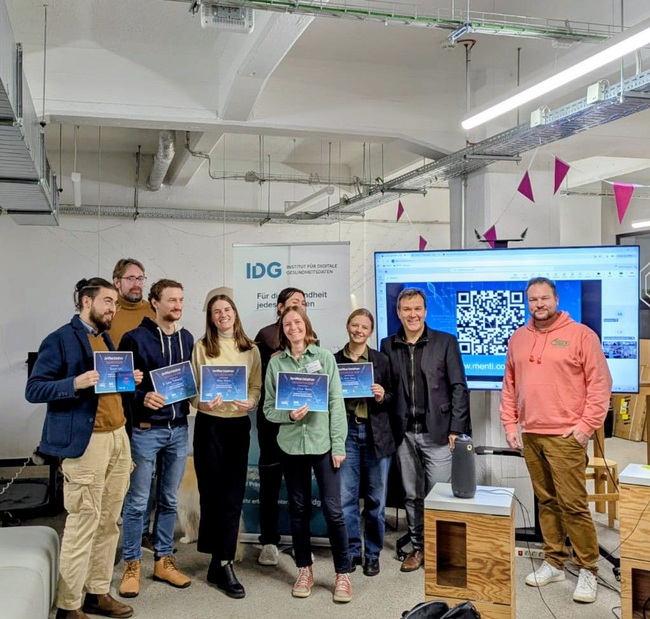
Das Gewinnerteam konnte mit PCS PROTEIN LASSO überzeugen – eine Custom Web App zur schnellen und intuitiven Interpretation von LASSO-/Elastic-Net-Analysen. Wir freuen uns, dass mit Klara Krämer, Kristina Hintz und Lukas Mittnacht 3 Teilnehmer aus dem IDG im Gewinnerteam dabei waren. Herzlichen Glückwunsch!
Danke!
Ein großes Dankeschön an alle Teilnehmenden, Organisatoren, Datenspezialisten und -spezialistinnen – und insbesondere an das Patient Participation Board für die wertvollen Perspektiven im Rahmen der Einführung in die Veranstaltung.
Der Datathon hat einmal mehr gezeigt, wie wichtig es ist, klinisches Wissen, Forschung, Informatik und die Perspektive von Betroffenen zusammenzubringen, um PCS besser zu verstehen und die Versorgung langfristig zu verbessern.
Wir freuen uns bereits auf den nächsten Datathon „DecodePCS 2026“ im Projekt EPIC-AI – und darauf, die entstandenen Ideen weiterzuführen.